Your Cart is Empty

Looking for dairy free whey protein in Australia can feel confusing at first. Whey is one of the most common protein supplements out there, but it comes from milk. So how can something be both “dairy free” and still use whey?
We get this question a lot, especially from people who are trying to stay consistent with their training routine but can’t handle dairy or choose to avoid it. Whether it’s for digestion reasons, allergies, or personal preference, more and more people are looking for protein options that don’t mess with how their body feels.
Let’s go through what whey really is, what “dairy free” means on supplement labels, and how you can find a protein powder that works for your goals, especially in the Aussie summer, where post-gym digestion matters just as much as your reps in the gym.
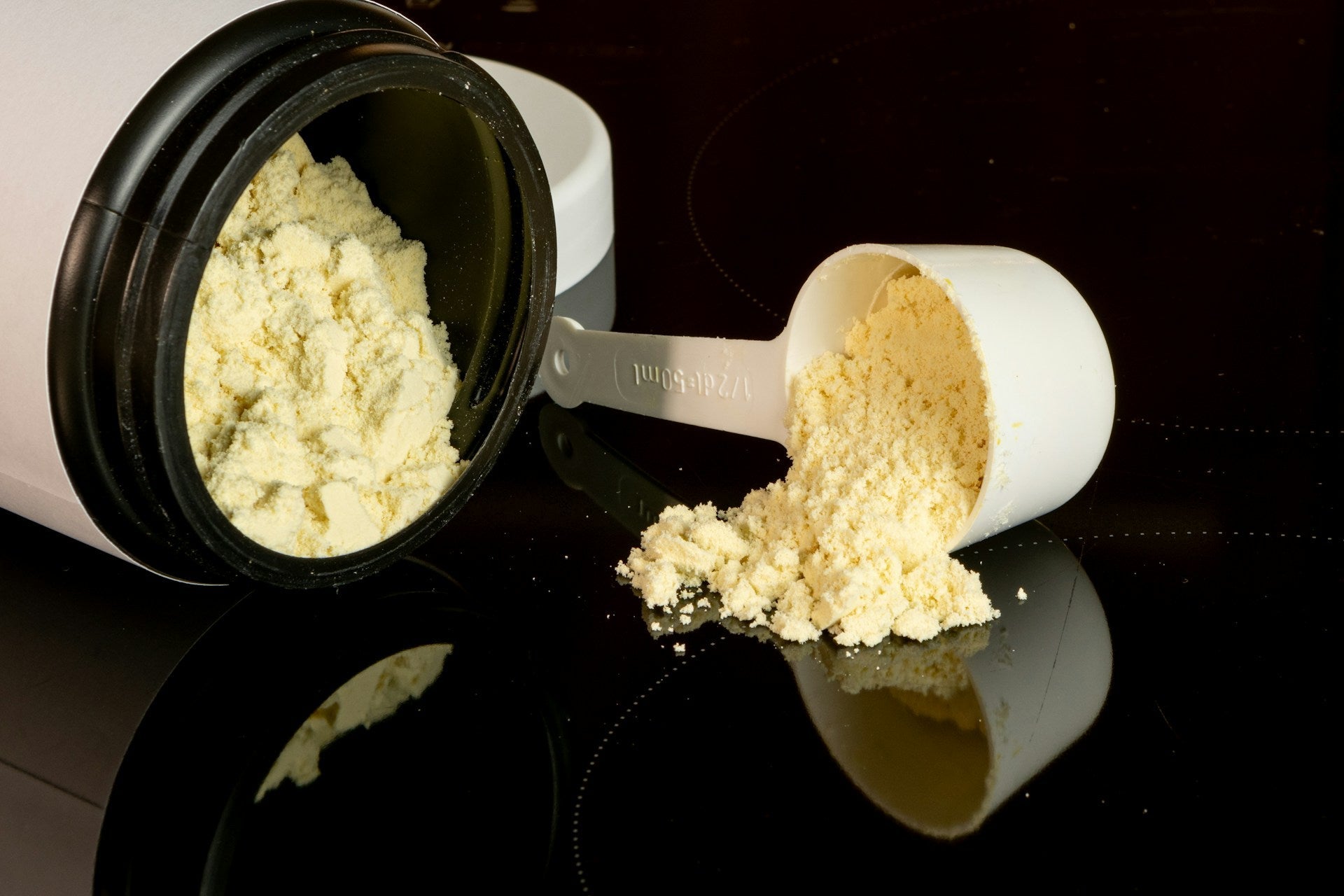
Whey protein starts as a by-product of cheese making, which means it comes from milk. Even when processed down to a pure protein powder, whey still contains parts of dairy. Some formulas go further to remove lactose or other milk elements, which helps people with mild sensitivities. But if your body reacts to any part of dairy, that base still matters.
People avoid dairy for a few reasons:
• Some have reactions like bloating, cramping, or tiredness after consuming dairy products
• Others follow dairy-free diets for ethical or environmental reasons
• A few are just looking for simpler ingredients or fewer additives in what they eat
It's worth remembering that even products that claim to be low in lactose or "gentle on your gut" might still affect someone who's dairy intolerant. That’s why understanding the source of your protein and how it interacts with your system is key.
For some, a protein powder that says it's easy to digest or lactase-enhanced still isn't enough. Even if the product removes most of the problematic part, there might be traces of other milk proteins left behind. Learning about these distinctions can save you from unpleasant surprises later, especially if you have any sensitivities.
This is where things get tricky. The label on a protein powder might say “dairy free,” “lactose free,” or “plant based,” but those terms don't always mean the same thing.
Here’s a quick breakdown:
1. “Dairy free” usually means the product doesn’t contain any milk or milk ingredients. But if it’s whey-based, there may still be trace amounts unless it's clearly labelled otherwise.
2. “Lactose free” only means the milk sugar (lactose) has been removed. The base can still be dairy, so it’s not safe for everyone avoiding all milk substances.
3. “Plant based” means the protein didn’t start from milk, common sources include peas, rice, or soy.
So, if you spot “dairy free” on a label and are highly sensitive or allergic to dairy, check the ingredients list and any warnings about possible traces due to factory processing. Some products can be incorrectly labelled thanks to marketing, so reading carefully makes a real difference. It’s easy to assume all these labels mean the same thing, but they don’t. That’s why we always say if you’re unsure, take time to read the full ingredients or ask someone who can explain what’s in it.
Besides, manufacturers sometimes create products in shared facilities which process both dairy and non-dairy goods. This can lead to cross-contamination, another reason to take extra care when picking your protein powder. Keeping an eye out for "may contain milk" or similar alerts is always a smart move if you’re aiming for genuine dairy free.
If avoiding dairy is a non-negotiable for you, true dairy free options exist, but they don’t use whey as a base. Instead, they pull protein from plant sources. These are usually safer for people with dairy allergies or strict food preferences.
Some common dairy free protein types include:
• Pea protein, which mixes smoothly and has a neutral taste
• Brown rice protein, which some like for its texture and light feel
• Soy protein, which gives a complete amino acid profile similar to whey
You might come across blends that combine pea and rice protein, which gives a better amino acid mix and mimics the feel of traditional milk-based protein powders. Each plant-based option has its own feel, taste, and how it blends with water or plant milk. Some feel slightly grainier, while others are more creamy. This is one of those areas where personal testing helps. We suggest starting with smaller portions if you’ve never used one before.
Apart from the basics, there are also options with added natural flavours, greens, superfoods, or probiotics. These extras are usually designed to boost digestion, energy, or just shake up the taste so you don’t get bored with the same protein every day. If you are used to the creamy, thick texture of whey, some plant-based proteins now come with gum fibres or oats for extra body and smoothness.
And just because it’s plant-based doesn’t mean it matches what you’re used to in terms of energy or recovery. The best choice depends on how you train, when you take your protein, and what kinds of ingredients you feel good using. Some plant blends offer complete protein profiles, while others work best when added alongside other foods. Listening to your body after making the switch can help you figure out if you need to mix it up or keep things simple.
Protein powders can all start to look the same when you’re just comparing tubs or reading online reviews. That’s why we believe local advice makes things simpler.
Being in Australia means dealing with humid workouts, hot weather, and sometimes humid air-conditioned gyms. Those conditions affect digestion and recovery. Something that feels fine in cooler months might hit differently when the heat kicks in.
This local context does more than guide a product pick, it can also point out patterns others have experienced during similar training sessions. At My Supplement Store, our staff provide face to face, customised advice and can help you compare plant-based blends, vegan-friendly options, and the latest dairy free protein powders stocked from Australian brands. If your shake is upsetting your stomach mid-summer or making you bloated after your morning session, that’s worth bringing up. Someone who’s helped others in the area can often give real, clear advice about what works better with your routine.
You might find a particular brand works better for you due to fewer fillers or the way it mixes in cold drinks. Or maybe, you’ll hear about a blend that’s more popular with morning gym-goers training in the Aussie heat. Sometimes you won’t recognise what exactly in a formula is causing discomfort, but a conversation with someone knowledgeable could save weeks of trial and error.
So, can you find dairy free whey protein in Australia? The answer mostly depends on what you mean by “dairy free.” Some whey options are cleaner and contain very low amounts of dairy, which work for some people. But if you’re looking to avoid dairy completely, you’ll probably want to reach for a plant-based protein instead.
Choosing a plant-based protein is not about settling for second-best but about finding what allows your body to recover and feel good day in and day out. Our range includes pea, rice, and soy-based proteins, all personally selected to support easy digestion and fit different dietary needs. With ingredient transparency and options for every goal, you can find a blend that works for your training, even through the hottest months.
Ready to explore quality alternatives that fit your needs? At My Supplement Store, we offer options that are gentle on your stomach and completely dairy free, including pea, rice, and soy-based blends. See our range ofdairy free whey protein alternatives today, and if you have any questions or need guidance finding the right fit for your training goals, our team is here to help.
Comments will be approved before showing up.