Your Cart is Empty

Recovery plays a big role in how you progress with your workouts, yet many people overlook it until they start feeling sore, tired or stuck. That’s where BCAAs come in. Short for Branched-Chain Amino Acids, they’re a popular go-to for anyone who wants to bounce back quicker after training and reduce muscle breakdown. Whether you’ve just started weight training or you’re deep into a regular fitness routine, BCAAs may help bridge the gap between feeling flat and feeling ready to train again.
There’s a lot of information out there, but getting started doesn’t need to be complicated. If you’ve seen BCAA on sale recently and wondered what the hype is about, this is a great place to begin. Here, we’ll walk through what they are, what they do, and why they matter without overwhelming you with science or brand names. Just the basics, in plain English, with some handy tips to make the whole experience easier.
BCAA stands for Branched-Chain Amino Acids. These are three specific amino acids your body relies on during and after a workout: leucine, isoleucine and valine. They’re classed as essential amino acids, meaning your body can’t make them on its own, so you need to take them in through diet or supplements.
Unlike many other amino acids that are processed through the liver, BCAAs are primarily used in the muscles. This helps speed things up when your body is under strain from training and needs to act fast to stay energised and recover properly.
Here’s a closer look at each one:
1. Leucine: Often considered the most important of the three, leucine plays a key role in switching on the muscle-building process in the body after you’ve finished training.
2. Isoleucine:This one helps with energy levels and can keep your endurance strong during longer workout sessions.
3. Valine:Supports muscle tissue repair and even assists with mental focus during tough training sessions.
Though high-protein foods do offer BCAAs, active people with regular or intense training schedules often benefit from supplementing. It’s quicker and easier than loading up on chicken or eggs throughout the day, and it helps deliver the right amount when your body needs it most.
It’s no secret that training hard comes with muscle soreness. But when that soreness hangs around longer than it should, or it starts affecting your next workout, that’s where BCAAs can be useful.
Here’s how they help with recovery:
- They can reduce delayed-onset muscle soreness (DOMS), which is that post-workout ache you feel a day or two after intense exercise.
- They support your muscle fibres as they repair and rebuild, which speeds up recovery between sessions.
- BCAAs may lower exercise-induced tiredness by giving your muscles what they need to perform consistently over time.
- They help protect your existing muscle from breaking down, especially useful when dieting or training in a calorie deficit.
Take someone cutting weight for a fitness competition as an example. Their body is constantly under pressure to preserve muscle while shedding fat. Without extra help, muscle tissue might get broken down for energy. A reliable BCAA supplement can make a difference, helping reduce breakdown while still promoting recovery.
If you’ve ever felt yourself dragging by the end of the training week or struggled to lift with the same intensity, it may be worth considering BCAAs as a way to stay on track.
The best way to get benefit from BCAAs is to take them around your workouts when your muscles are under the most strain. The goal is to give your body easy access to what it needs before too much breakdown kicks in.
Most people take a serving before, during, or immediately after training. It really comes down to what suits your schedule best, but staying consistent is key. Taking BCAAs only once a week won’t do much – they work best when included as a steady part of your routine.
As for the form, there are usually two main options:
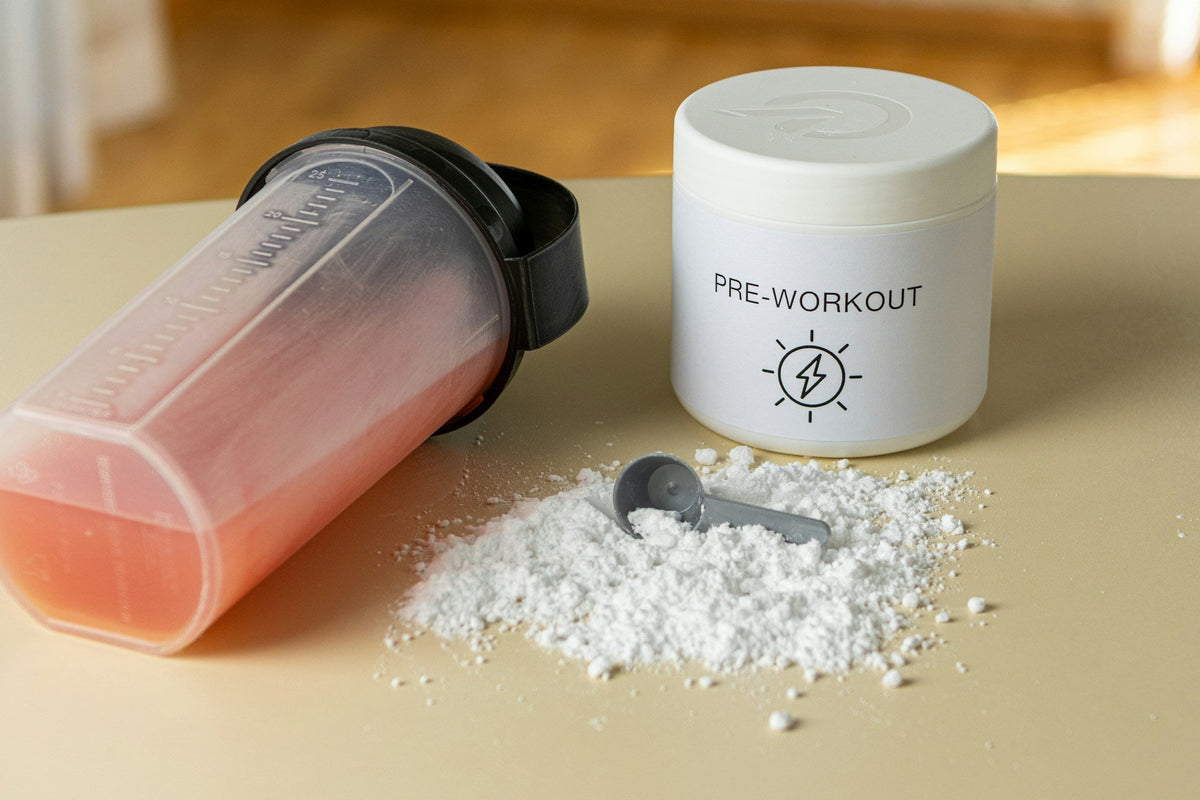
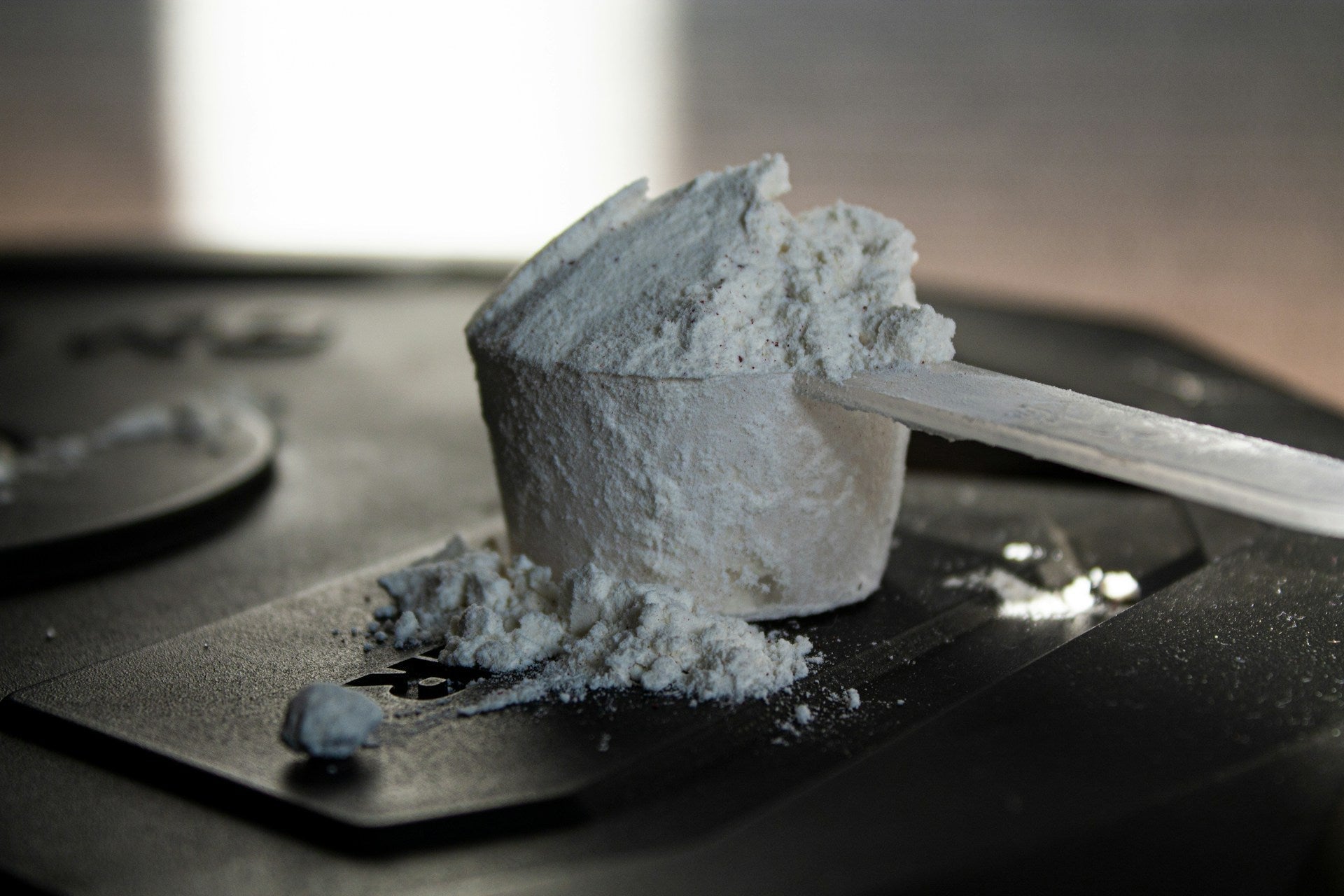
- Powders:These are common and easy to mix into water or your workout drinks. They’re great if you like sipping slowly while you train.
- Capsules:These are a more convenient option if you want to toss a bottle into your gym bag and not worry about measurements or mixing.
Some people benefit from combining BCAAs with other supplements as well. For example, mixing BCAAs with electrolytes and a protein shake gives you a fuller recovery approach. You get hydration, muscle repair, and energy all in one. It’s about finding what combination fits your training and recovery goals best.
All BCAA supplements are not made the same, which is why it’s worth spending a bit of time looking into what you’re buying. A few details to keep in check can help you make a smarter choice.
Start by looking for products with transparent labelling and minimal fillers. You don’t want a long list of ingredients you’ve never heard of. Stick with brands that outline exactly what you’re getting and keep the ingredient list clean.
The typical and effective ratio of leucine to isoleucine and valine is 2:1:1. This balance supports recovery and performance without going overboard on any one part of the trio.
If you're budget-conscious or you're seeing BCAA on sale, now might be a good time to make a purchase. That said, price should never be your top deciding factor. Focus first on quality and reliability, especially from known supplement retailers that stock high-quality Australian products.
Pairing your training with a dependable BCAA product can make all the difference in how fresh you feel session to session.
Now that you have a clearer understanding of how BCAAs play a role in muscle repair, energy management and soreness relief, you’re in a great position to make an informed choice. Whether you’re managing a jam-packed lifting schedule, cutting weight for an event, or just trying to bounce back quicker after a big session, BCAAs could be a useful addition to your supplement line-up.
They’re easy to include, come in a range of forms, and can work well alongside other recovery tools like protein, electrolytes, and rest days. By finding the mix that suits your lifestyle and goals, you’ll be able to train harder and feel better over the long run.
If you’ve spotted a BCAA on sale and weren’t sure whether to give it a go, now’s the time to weigh up your options. Quality, timing, and consistency will guide your results, and with a bit of trial and error, you’ll discover what works best for your fitness path. Keep it simple, stay smart with your supplement choices, and recovery won’t feel like such a mystery.
Elevate your recovery routine with reliable support that matches your performance goals. At My Supplement Store, we offer a curated range of products designed to help you bounce back faster and train smarter. Explore ourBCAA on sale to find effective options that suit your fitness lifestyle.
Comments will be approved before showing up.