Your Cart is Empty


Supplements are everywhere these days, from gym bags to kitchen cupboards. Whether it’s a scoop of protein after a workout or a multivitamin before breakfast, plenty of people are adding supplements to their daily routines. Still, just because something comes in a health-focused package doesn’t automatically make it risk-free. When it comes to what you’re putting into your body, being aware of supplement safety matters more than most people realise.
It’s easy to get caught up in the promise of fast results. That’s where mistakes start by accidentally taking too much, not reading the label properly, or using something that clashes with other parts of your routine. Safe use starts with understanding the product and knowing how to spot red flags. Whether you’re just getting started or you’ve been using supplements for years, it always pays to go back to the basics of safety.
Before buying anything, it's worth checking if the supplement has been tested by a third party. This means someone outside the company has reviewed the quality and confirmed that what's listed on the label is actually inside the product. It’s one of the simplest ways to avoid weak formulas or false claims.
Every supplement label holds a lot of information, some helpful, some not so clear. You’ll usually find:
- A list of active ingredients, often with their amounts per dose
- Suggested use or directions, explaining when and how much to take
- Warnings or allergy information
- Storage instructions
Look for certification seals from recognised organisations. These seals usually show that the product has passed certain standards around safety, purity, or strength. Be careful with labels that use lots of marketing phrases but don’t actually show much proof. Words like “pure” or “natural” might sound good, but they don’t always mean anything unless they’re backed by actual testing.
One example is when you pick up two vitamin bottles and notice one with a bunch of random claims splashed all over the front and another with a neat third-party certification stamp. That little symbol can tell you a lot about which one’s been put through proper checks.
It might feel like a lot at first, but learning how to read and question supplement labels means you’ll be more confident every time you make a decision.
Even the most common supplements can cause side effects if they’re taken the wrong way or paired poorly with other things. Just because something is widely sold doesn’t mean every person will react the same to it.
Here are some things to watch for:
- Upset stomach or nausea
- Headaches or dizziness
- Trouble sleeping
- Skin breakouts or itching
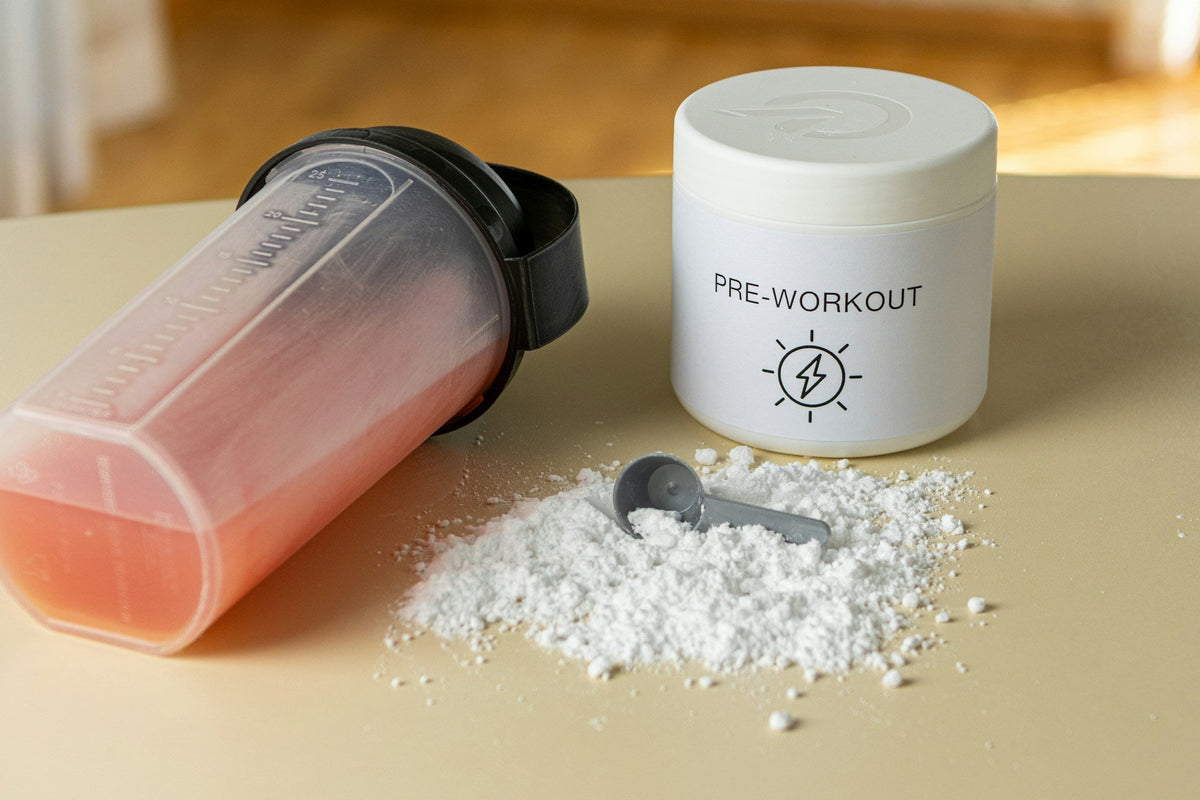
Some supplements come in high concentrations, and using them in excess can lead to problems. For example, loading up on too much caffeine from a high-stimulant pre-workout can leave you feeling jittery or mess with your sleep. You might also run into trouble by doubling down on similar ingredients from different products without realising it.
If a supplement doesn’t sit well with you, stop using it and track any symptoms you notice. Pay attention to how your body responds within the first couple of uses. In most cases, side effects clear up when you stop taking the product, but it’s smart to seek advice from a healthcare professional for anything that lasts or gets worse.
Being aware helps you avoid the sneaky kind of risk that builds up when you mix things without a plan. So before starting anything new, even if a friend is using it, check in with someone trained to guide you. That way, you can save time, money, and possibly avoid discomfort down the line.
Getting the dosage right is at the heart of effective supplement use. Recommended dosages are often printed right on the label, carefully set to ensure the product's benefits without overloading your system. But life can get busy, and then it’s easy to forget whether you’ve taken your daily dose. A weekly pill organiser, just like the ones people use for medication, makes it easier to keep track.
Everyone’s routine is different, and supplements should fit seamlessly into yours. If you're a morning person, you might find it best to take certain vitamins or energy-boosting supplements with breakfast. For those with evening workouts, protein shakes or recovery drinks might better fit into the post-dinner timeframe. Matching supplements with your daily rhythm can improve effectiveness and also boost adherence.
A healthcare professional, such as a physician or a dietitian, is a valuable partner when integrating supplements into your regimen. They're there to help you figure out what dosage suits your needs best, especially if you're already on medication or dealing with unique health considerations. Their advice offers added peace of mind, ensuring you're on a path that won't inadvertently disrupt your health.
Not all supplements are created equal, and finding high-quality ones is more than a matter of chance. When gauging quality, look beyond the flashy packaging and focus on the ingredients list. Basic indicators of quality include transparency about each ingredient, sourcing, and the presence of fillers or additives. It should be easy to look up what each ingredient is and why it's there.
Here’s what to look out for:
- Clear labelling of all ingredients
- Absence of unnecessary fillers and additives
- Assurance of third-party testing or certifications
- Transparent sourcing and manufacturing practices
Brands that are upfront about their processes tend to earn trust over time. Spending a bit of time online to read reviews or check out industry reports can save you from disappointment and ensure you’re spending your hard-earned money on something that actually works.
Supplement information can change over time, with research bringing out new facts. Keeping up with credible health sources and reading current studies can help you make better decisions and avoid myths.
The best sources for health information are often websites run by known health organisations and peer-reviewed research, not someone’s social media account. These resources are built to keep you safe by focusing on honest, fact-based advice.
Getting regular advice from a healthcare practitioner adds another level of trust. If you're unsure about a supplement or how it fits into your life, a quick chat with a trained expert can clear things up. They can explain things in a way that connects with what you already know and help you apply it to your health goals.
Staying curious and asking questions is one of the best moves you can make. Trusted advice helps you avoid poor-quality products and guides you toward ideas that actually help.
Being smart about supplements doesn’t end at purchase. It’s something that keeps going. From reading labels to checking in with your health practitioner, there’s always a chance to be better informed. Every new bottle is an opportunity to double-check the brand, ingredients, and your dosage plan.
Keeping your approach flexible means you’re ready to adjust when your body or routine changes. Maybe your training ramps up, work gets busy, or you switch to a new meal plan. Being aware of how supplements work with those changes keeps your results on track.
If you’re feeling unsure at any stage, that’s totally fine. Go visit a reliable location like a local health supplement store where face-to-face advice is available. There’s something reassuring about hearing straight from someone who works with these products every day. It helps to know you’re not figuring it out alone.
Making supplement safety a habit sets you up for better results now, with fewer bumps along the way. The more informed your choices are, the better they’ll match your long-term health and fitness goals. Stay aware, stay curious, and make sure every supplement you choose fits your unique path.
To keep making choices that support your goals and suit your lifestyle, it's worth knowing where to look for accurate information and trusted solutions. Explore a better approach to shopping by browsing the range available at ourhealth supplement store, where My Supplement Store shares products designed to suit different needs and routines.
Comments will be approved before showing up.