Your Cart is Empty


Buying health products online has its perks: fast access, a wide range of options, and the ease of shopping from home. But without a clear plan, it’s easy to end up with the wrong items, poor quality ingredients, or products that don’t suit your goals. That’s where a solid shopping checklist comes in. It’s one thing to add items to your cart because they look useful, and another to confidently know they’ll meet your needs.
Mistakes aren’t always obvious either. Sometimes a supplement shows up with strange labelling, or you realise later that it interacts with something else you're taking. Other times, you’re paying more for less or falling for clever phrasing that hides average ingredients. A checklist can help cut through the fluff so you get exactly what you're after, without clicking blindly. Below are the key things to look for when you're getting ready to click Add to Cart.
The first thing to sort out is where you're shopping from. Not every online store is held to the same standard. Some look legit on the surface but fall apart with a closer look. The goal is to buy from a store that clearly deals in quality products, maintains proper safety practices, and doesn’t hide important info.
Here’s what to check for:
Make sure there’s a padlock next to the site’s URL. That means you’re using a secure connection. Don’t send any private or payment details if that padlock isn't there.
A legit store provides ingredient lists, directions for use, and any potential warnings or disclaimers right there in the catalogue. If it’s vague or has big health claims without substance, it’s best to skip it.
Real reviews typically point out both pros and cons. If every review says the product is flawless or reads like it was copied and pasted, that’s a red flag. Look for feedback that sounds genuine and mentions specific use cases.
Trustworthy products are often tested by independent labs. Look for keywords like third-party certified or links to test results. Don’t rely just on the brand’s own claims.
A store that backs the quality of its items should also have a proper return policy and a straightforward way to reach customer service. Stay away from stores that hide this info or make it hard to contact someone if there’s a problem.
If you’re unsure, search for the store’s name along with terms like reviews or scam to see what others are saying. It could save you time and cash.
Once you’ve picked a store, the next step is understanding what you're actually putting into your body. Supplement labels aren’t always friendly or clear. Some use scientific names that make ingredients sound impressive, while others leave out how much of something is in the mix.
Here’s how to make sense of it:
The top of the list usually contains the most active ingredients. These are what support your health goals. For example, if you’re buying something for post-workout recovery, check for things like creatine or branched-chain amino acids rather than just herbal extracts listed in small amounts.
Some powders and capsules are loaded with artificial colours, sweeteners, or chemical additives that aren’t doing much for your body. While some extras help with texture or shelf life, too many can weigh down the formula. Keep an eye out for labels with long, unrecognisable names near the bottom.
More doesn’t always mean better, and some supplements rely on what’s called label dressing, where they include an ingredient in tiny amounts just to claim it’s there. Check to see if the dose matches up with typical serving numbers that are known to be effective.
If you’ve got allergies or dietary rules to follow, check for milk, soy, gluten, or other common triggers often listed in the fine print. Labels should make this easy to find.
An example: If you’re buying a protein blend, look beyond the front label. A product that says contains whey protein may sound great, but the full label might reveal that it's mostly filler with just a touch of whey added last.
Smart shoppers treat the label as more important than the sales pitch. Once you get used to reading product labels properly, you’ll start making clearer choices more quickly.
It’s easy to get caught up in finding the cheapest option, especially if you’re buying multiple products. But price alone doesn’t decide quality. Cheap products can end up costing more long-term if you have to take more of them or re-buy because they didn’t perform as promised.
Here’s how to get the most out of your spend:
Two products might look similar in size and price, but the number of servings can vary widely. Dividing the total price by the number of servings gives you a more accurate idea of the value.
Buying in bulk can save money, but only if the quality holds up and you’ll actually use it. If a product goes off before you finish it or starts clumping due to poor storage, that discount means little.
Be careful with prices way below the average across other stores. This can sometimes mean expired stock or very low-quality blends. Use your label-reading skills and double-check the return policy before placing the order.
Some products include extras like digestion support, electrolyte balance, or multivitamin blends, which might suit your needs better than a plain version. These can give you better value even if the price is slightly higher.
Choosing based on real value means looking at how long a product lasts, whether it meets your goals, and how trustworthy it is, not just the price on the screen. Quality products should do their job without costing you double in the long run.
Once you’ve hit that checkout button, your supplements still have a bit of a journey before they land in your hands. From shipping conditions to how you store them at home, this next phase can impact the quality of what you bought.
When shopping online, check the shipping timeframes and options. Standard delivery is fine for most situations, but in hotter regions, you’ll want to make sure the package isn’t sitting in a courier van all day. If it's summer in Australia, try to time your order early in the week to avoid the parcel sitting in a depot over the weekend. If the seller offers a tracking link, use it to keep tabs on the delivery window, especially for high-value items.
Once it arrives, take a look at the packaging. If the seal is broken or the box feels warm or damp, contact the support team right away. Don’t risk using a product that seems off, even slightly.
After unpacking, don’t just chuck everything into the closet. Whether it’s capsules, powders, or drinks, where and how you store supplements can affect how long they stay fresh and effective.
Keep these practices in mind:
- Store supplements in a cool, dry space like a pantry or bedroom cupboard
- Avoid exposing them to direct sunlight or placing them near appliances like ovens
- Keep containers tightly sealed after every use to stop air and moisture from getting in
- If the item came with a silica packet, leave it in there as it absorbs moisture and helps keep contents dry
- Don’t transfer contents into a different container unless it's airtight and food-safe
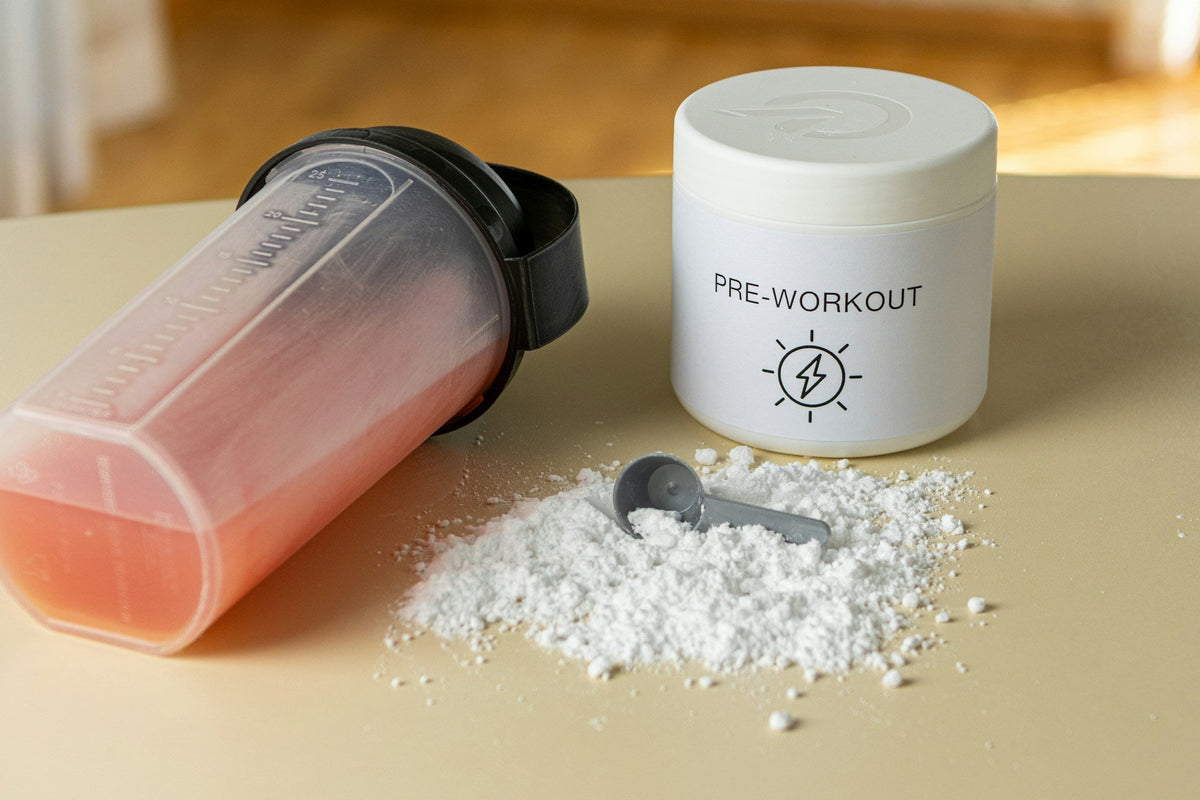
Storing products right after they arrive means fewer chances of spoilage and ensures you're getting full value. For example, leaving a pre-workout in the boot of your car over the weekend could lead to clumping or worse, a change in taste or texture. A bit of care each time adds up.
Buying health supplements online isn’t something you do once and forget. Your fitness goals, diet, or even your workload can shift, which means your supplement routine should too. That’s why it’s helpful to check in with what’s out there on a regular basis.
Pay attention to ingredient updates and product changes. Some supplement blends get reformulated, and not always for the better. If you’re relying on a certain vitamin or compound and it’s been replaced or reduced, you might not notice at first glance. That’s where staying in the know really helps.
Also, your needs can change depending on the time of year. A supplement that works for boosting energy during warmer months may not be as relevant when routines change in the cooler season. Think about what you're training for, what you're eating, and how you're feeling overall. Then tweak your supplement list when something starts feeling off.
Reach out to a trusted health professional if you’re unsure whether something fits your routine. This is especially important if you’re adding something new or combining different items. A second opinion goes a long way in avoiding expensive or uncomfortable mistakes.
And don’t forget your checklist. Keep notes on what worked out well, what didn’t meet your expectations, and any side effects you might have had. That running log will help make your next shopping experience faster and more accurate.
A clear plan helps cut through the clutter so you’re not stuck second-guessing your decisions or wasting cash on things that don’t suit you. By focusing on trusted stores, reading labels the right way, and being realistic about value, you take control over what lands on your doorstep.
Online supplement shopping doesn’t have to be a guessing game. With a bit of patience upfront, you’ll pick products that match your needs and lifestyle and get more out of them in the long run. Checking storage habits, staying updated as your goals change, and tightening up your routine with a solid checklist all lead to better outcomes over time.
For those looking tobuy health supplements online that truly fit your lifestyle, My Supplement Store offers a wide range of options to support your wellness goals. Keep your routine fresh and consistent with high-quality formulas tailored to your needs, whether you're staying active, improving your recovery, or simply boosting your daily intake.
Comments will be approved before showing up.