Your Cart is Empty

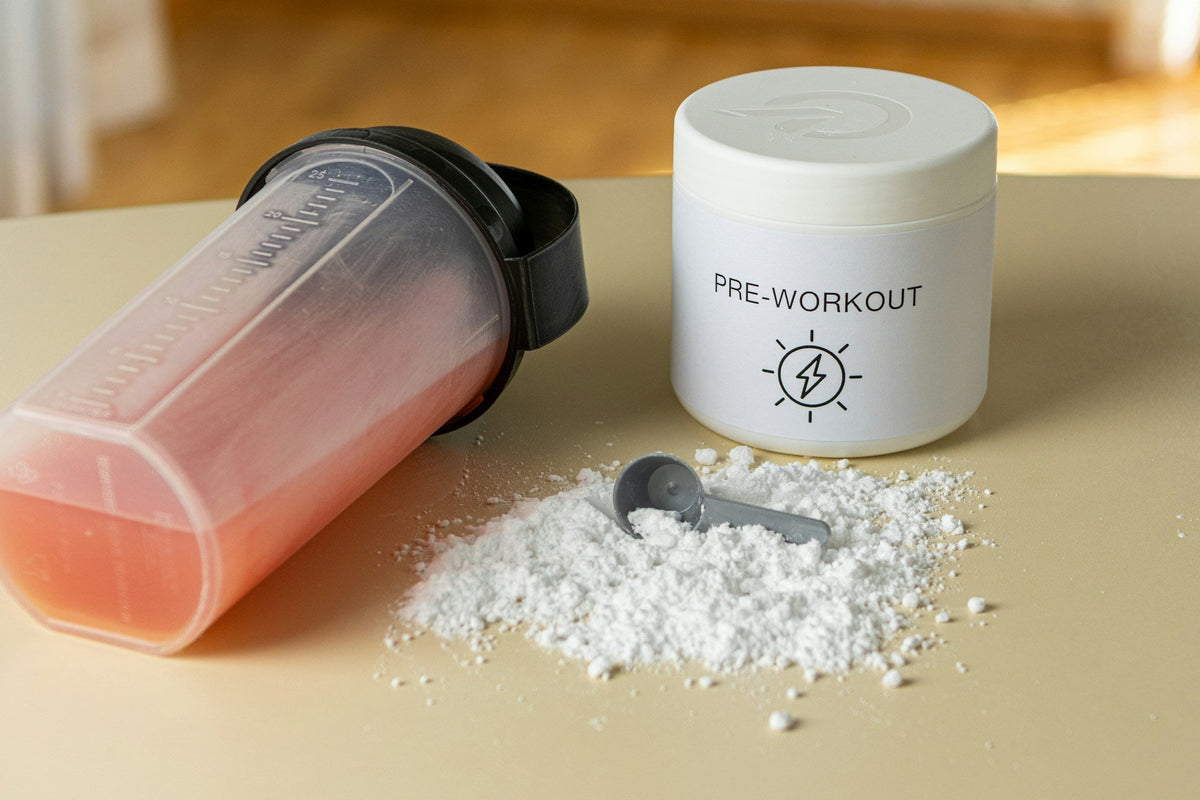
As spring kicks off around Australia, many people use the season as a chance to tidy up, get organised, and refresh their routines. While most start with wardrobes or kitchen shelves, your supplement shelf could probably use the same kind of attention. Whether you're someone who keeps up a regular fitness plan or just getting into a healthier lifestyle, how you store your supplements can really make a difference.
Hotter days and changing humidity during spring can affect the quality of your health products if they’re not kept properly. Soft gel capsules can go sticky, powders can clump, and labels can fade or rub off. That leaves you guessing what supplement you’re even reaching for. Good storage habits now will save you hassle later. Here are practical ways to make sure your supplements stay safe, usable, and effective through the season.
Heat and moisture are two of the biggest reasons supplements lose their quality. Many vitamins, protein powders, and other products don’t do well in warm or damp spots. This is especially common in parts of the house like bathrooms or kitchens, where humidity tends to build up from showers, kettles, and cooking. The thing is, even sealed bottles can get affected over time.
Instead, choose a spot that’s cool, dry, and away from steam or sunlight. A storage shelf in a climate-controlled area like a hallway cupboard often works well. Avoid placing supplements near heaters, windows, or inside your gym bag if you leave it in the car. If you're keeping your supplements in a pantry, try to place them far from ovens or appliances that give off heat.
Some people make the mistake of refrigerating items that don’t actually need it. Unless a label specifically says to refrigerate, don’t do it. The constant change in fridge temperature when you open and close the door can create condensation, which does more harm than good for many powders and capsules.
Quick tips for keeping things cool and dry:
- Choose a cupboard away from direct sun and appliances
- Keep lids securely closed after every use
- Avoid storing supplements close to your stove, kettle, or shower
- Don’t leave them in a gym bag exposed to heat
- Don't mix different supplements into one container – each has its own needs
A simple change in where and how you store your supplements could extend their shelf life and help you get full value out of them.
Whether you're dealing with protein powders, creatine, or vitamin tablets, airtight sealing is one of the easiest ways to keep your supplements fresh. Most come in their own bottles or tubs with lids that do the job, but over time, they can wear down, especially if you're scooping from them regularly. When that's the case, transferring your supplements into fresh airtight containers is a solid move.
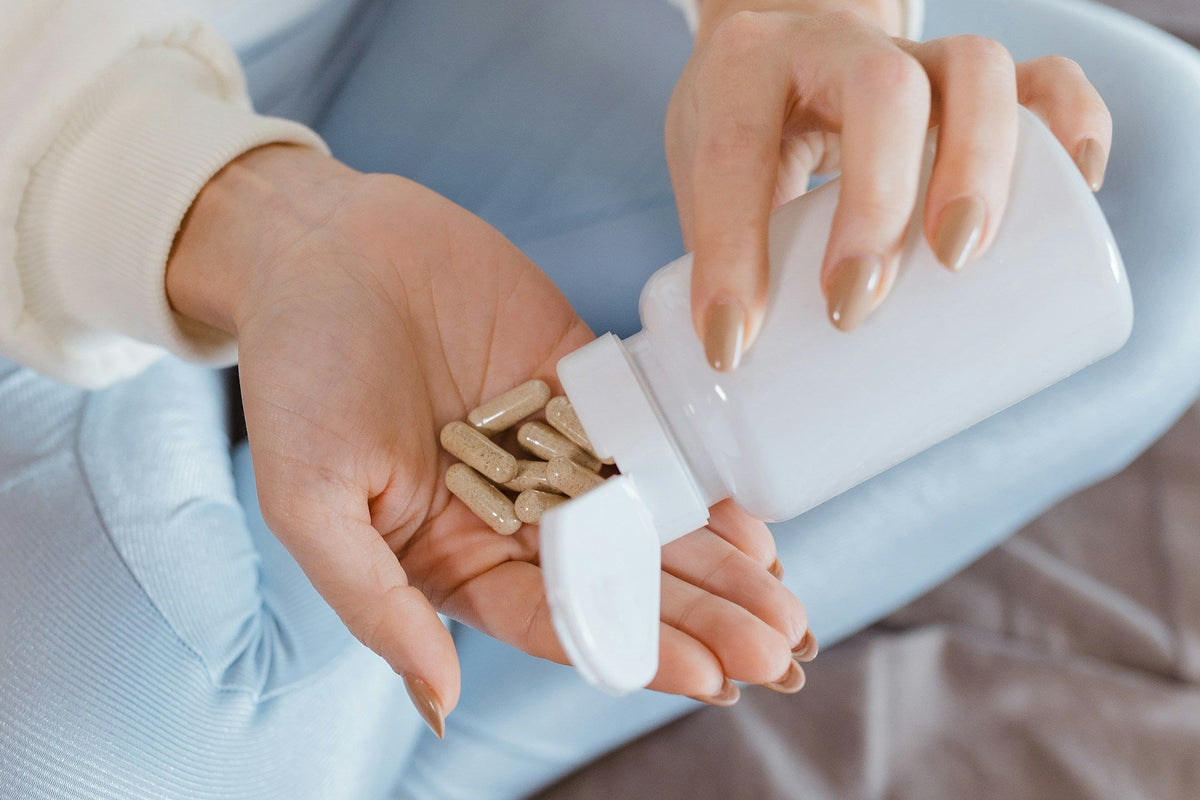
Powders in particular tend to absorb moisture from the air, which leads to clumping or reduced mixability. Capsules and tablets might seem less sensitive, but they can still take on odours or moisture if not properly sealed.
Here are a few types of containers that work well:
- BPA-free plastic jars with screw-on lids
- Glass jars with rubber gaskets and locking clasps
- Resealable pouches, if you can press the air out completely
If you go this route, make sure to write the supplement name and its expiry date on the container. It’s easy to forget what’s what, especially when most powders look pretty similar.
Even with good containers, don’t leave lids cracked or loose after a scoop. Always close them tightly. Every time the air gets in, it reduces the shelf life of what’s inside. Also, avoid using kitchen storage containers that aren't food-grade or airtight, as they can impact taste or quality.
Airtight storage isn’t just about tidiness. It plays a real role in how your supplements work after sitting for a while. Taking a few minutes to reseal or transfer your products the right way makes sure you're using supplements that are still in peak condition when it’s time to next scoop or swallow.
Sunlight might be great for a sunny day, but it's not so good for your supplements. Exposing supplements to direct light can degrade them faster, reducing their effectiveness over time. Vitamins and other health products often come in dark containers for this reason. The darkness helps to block light that could harm them.
Consider keeping supplements in a cabinet or a closed drawer to protect them from harsh lighting. If you don't have a suitable cupboard, use something like a light-blocking container or cover to shield them from bright exposure. Even if your supplements are in opaque bottles, keeping the storage spot dark adds an extra layer of protection. If you're not careful, the kitchen counter might catch you off guard as a seemingly convenient spot that’s not so great for storage.
A quick fix for those who already store supplements on open shelves is to simply cover the shelves with a lightweight cloth or place the containers inside an old shoe box or storage bin. Those solutions aren't fancy, but they get the job done without much effort. It's a small change that might seem trivial but can make a noticeable difference in maintaining the quality of your products.
Labels aren't just for show. When you start storing supplements properly, it’s a good idea to label each container with both the name of the supplement and its expiry date. This helps keep track of when you bought it and how long you've had it. Who wants to play the guessing game when it comes to your health routine? Organisation can make it easier to integrate supplements into your daily life.
Here's a simple way to start:
1. Write the name and expiry date on your containers
2. Arrange them in sections based on type or frequency of use
3. Keep those you use most often within easy reach
4. Store lesser-used ones towards the back or on lower shelves
This orderliness helps streamline your schedule and makes sure you aren't one day surprised by a supplement that’s past its date. The clearer you can keep things, the less time you'll spend searching for what you need. It can make that morning or evening muscle routine just a little smoother.
Some supplements naturally need refrigeration, like certain probiotics or liquid vitamins. However, many don’t. For those that need to stay at room temperature, choosing the right products can ease your storage challenges. It’s good to know which need chilling and which don’t, so make it a habit to check your labels at the store before buying.
Plan your purchases by grouping those based on storage needs. Shelf-stable ones can go in your cupboard, and a dedicated spot in your fridge can hold what needs to stay cold. So you don’t go running between spots, plan to keep everything you need at hand for different times together.
Adapting how you tackle this spring refresh with a more organised storage system will improve not just your supplement quality but your peace of mind too. Storing them correctly means you’re getting the most out of every bottle. This spring, let’s aim to keep things fresh, convenient, and ready when you are.
Good supplement storage doesn’t take much work, but it can make a real impact on your health habits. From shielding products from heat and light to choosing the right containers and giving everything a clear label, a little preparation now sets you up for a better season ahead. Spring is the perfect time to tidy up your space and rethink how you use and store the products that support your routine. Keep it simple and consistent, and your supplements will stay in top shape for when you need them.
Refresh your supplement storage this spring and keep your products working as they should. For trusted tips and quality products to support your routine, explore ourhealth supplement shop at My Supplement Store. You'll find everything you need to back your wellness goals with confidence.
Comments will be approved before showing up.