Your Cart is Empty

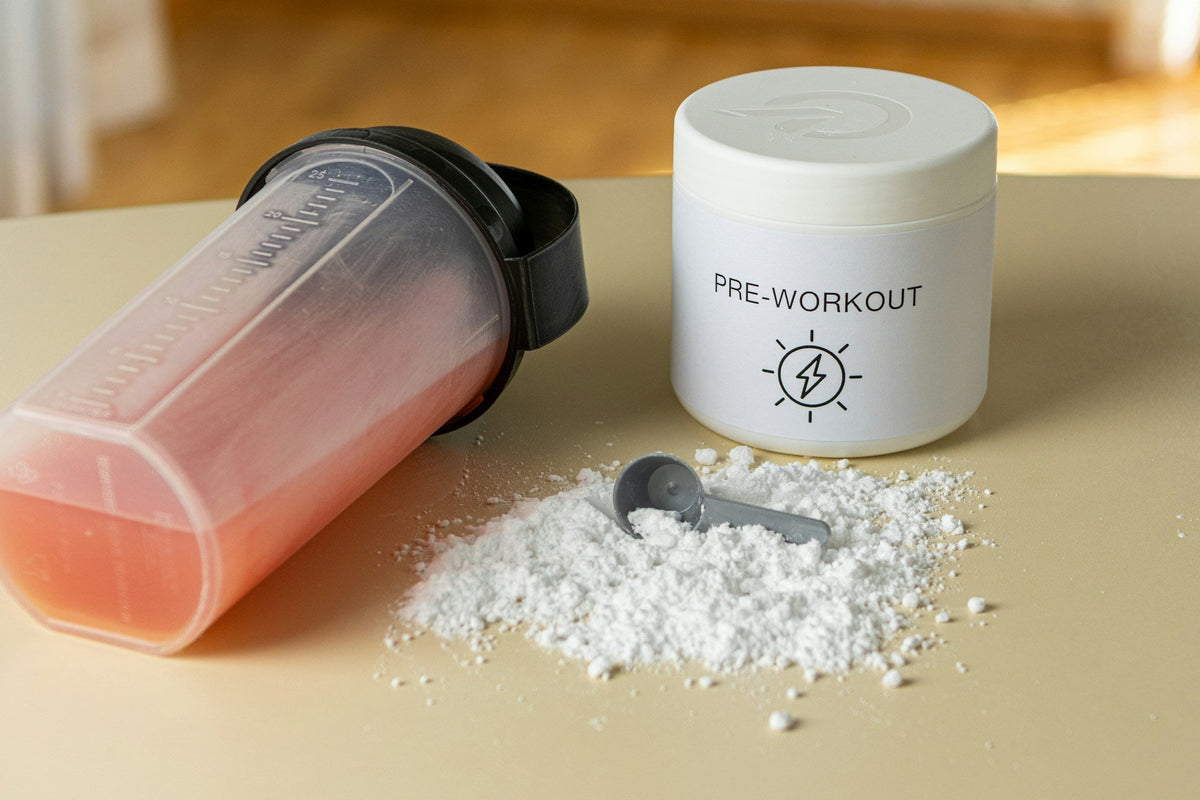
Timing can make a big difference when it comes to how your body responds to movement, food and supplements. That’s especially true with high-stimulant pre-workout. Whether you're chasing personal bests in the gym or just pushing yourself to stay consistent, when you take your pre-workout can either boost your performance or throw your rhythm off.
Spring is a time many people crank things back up. Mornings are lighter, energy picks up, and the idea of smashing out a good session starts to feel exciting again. That’s why it helps to know how to time your high-stimulant pre-workout properly. Get it right, and you’re more likely to stay focused, feel strong and recover better afterwards.
High-stimulant pre-workouts are all about getting your body and mind ready for a tough session. They're designed to help wake you up, support sharp focus, and give you a boost in energy that carries you through heavy weights or high-intensity training. The name says it all really, high-stimulant formulas are stronger, usually containing higher amounts of ingredients that aim to kickstart alertness and endurance.
Here’s what you’ll often find in these types of pre-workouts:
- Caffeine:The most common ingredient. It's used to reduce tiredness and improve focus during workouts. High-stimulant blends typically pack more than the average cup of coffee, which is why people feel the kick.
- Beta-Alanine:Known for that small tingling feeling some experience, beta-alanine supports muscle output during short bursts of intense exercise.
- Creatine or L-Citrulline:These can help with strength and circulation, allowing more blood and oxygen to reach your muscles while you train.
- Tyrosine or L-Theanine:Often included to support mental focus, especially if the caffeine hit is particularly strong.
High-stimulant pre-workouts act quickly, with many of their ingredients absorbed and spread through your system within 30 to 60 minutes. Because of how fast they work, timing becomes really important. Taking it at the wrong moment might leave you jittery or worn out quicker, so it’s good to know how to line it up with your training.
Another thing to think about is how your body reacts to these stimulants. Everyone handles them a bit differently. Some feel fine with a strong dose and others might want to start light until they see how their body responds. It’s not always about more. Balance and timing play a big part, which brings us to figuring out exactly when to have it.
When it comes to high-stimulant pre-workout, timing matters just as much as what’s in the formula. Most people take it 20 to 40 minutes before training, but that sweet spot can shift depending on your personal sensitivity, the type of workout and even the time of day.
Here’s what to consider:
If your session is short and sharp like HIIT or heavy lifting, taking your pre-workout closer to the 20-minute mark might help you feel the effects right as you start. For longer sessions like endurance runs or circuit training, taking it 30 to 45 minutes before can help keep your energy more stable throughout.
Morning workouts often match well with a high-stim pre-workout because you're likely tired after waking up. Just don’t skip a light breakfast or sip of water. It hits harder on an empty stomach.
Evening training is trickier. These blends can affect your ability to wind down if taken too late, especially if there’s a lot of caffeine. Try to avoid using them less than six hours before bed.
Your natural response to caffeine should guide your timing. If you're quite tolerant, you might need a slightly earlier intake so it ramps up as your session begins. If you're more sensitive, a longer lead-in time gives your body time to settle into the stimulation.
If you’ve eaten, you may find it takes a little longer to feel the effects. On the other hand, if you’re training fasted, it will likely kick in quicker. Either way, track how your body responds over time so you can fine-tune your timing.
As an example, someone heading to a 5.30 pm weight session might take their high-stimulant pre-workout at around 4.45 pm, just after a light snack. That gives enough time for it to kick in without messing with sleep later.
Getting the timing right means your body gets what it needs at the right moment to perform well. It’s worth testing this over a week or two until it feels natural. Consistency is your friend when figuring out what works best.
Timing adjustments can really amp up your gym time. Cardio and strength training demand different kinds of energy and focus, so tweaking when you take that pre-workout can make a world of difference.
For a cardio session such as running or cycling, the energy boost from your pre-workout is best when it kicks in right as you start moving. Taking it about 20 minutes before heading out keeps you fresh without feeling jittery. On the other hand, strength training benefits from a steady focus and endurance. Taking your pre-workout 30 to 45 minutes prior can give you the sustained energy needed to power through heavier sets and longer reps.
Morning workouts call for a quick routine, so consider a slightly earlier intake if you're diving into a fasted session. Just make sure a quick bite comes along with it to buffer the intensity. If you're more of an evening trainer, plan your pre-workout well. Take it early enough so that the energy boost helps but doesn't interfere with sleep later on. Hitting the gym too late with stimulants still in your system might leave you tossing and turning.
Learning where the bumps are can ensure a smoother ride through your workout routine. Here’s what to look out for:
- Timing Too Close: Taking it minutes before your session starts might lead to missing out on its full impact or feeling overwhelmed mid-workout
- On Empty or Full Stomach:An empty stomach can make the stimulant hit hard, whereas a full belly might delay effects or cause discomfort. A small snack can balance things nicely
- Ignoring Your Body:Not listening to how your body reacts can lead to fatigue or over-stimulation. Adjust according to how you’re feeling rather than sticking strictly to the clock
By navigating these potential mistakes, you can train smarter, not harder. The more you listen and adjust, the better your routine gets over time.
Putting what you've learned into practice can yield noticeable changes in your workout outcomes. Timing isn't just about when but how you incorporate it into your gym habits.
Start with a set schedule so you can see how your body responds week by week. Adjust along the way based on performance and comfort. Everyone's optimal time and amount might look different. Stay open to changes as your fitness journey evolves.
Creating your own routine isn't about following a preset path but finding what syncs well with your goals and lifestyle. Experimenting can offer insights, making each session feel a bit more dialed in.
Nailing the timing of your high-stimulant pre-workout isn’t just about firing up for a workout. It's about maintaining energy levels and concentration that translate into gains. Proper timing can help you squeeze more out of every session, letting you feel the satisfaction of progress.
Consider the benefits of what timed supplementation can do for your mindset and motivation. This isn't just the domain of hardcore gym-goers. Anyone can benefit from being a bit more mindful about their supplement timing. By harnessing these insights, you’re positioned to refine and enhance your fitness regimen all year round.
Give your workout the boost it deserves by planning your supplement intake effectively. For those looking to optimise their energy and performance, explore our range of products designed to support stamina and focus. Find your go-tohigh-stimulant pre-workout at My Supplement Store and take your training sessions to the next level.
Comments will be approved before showing up.