Your Cart is Empty


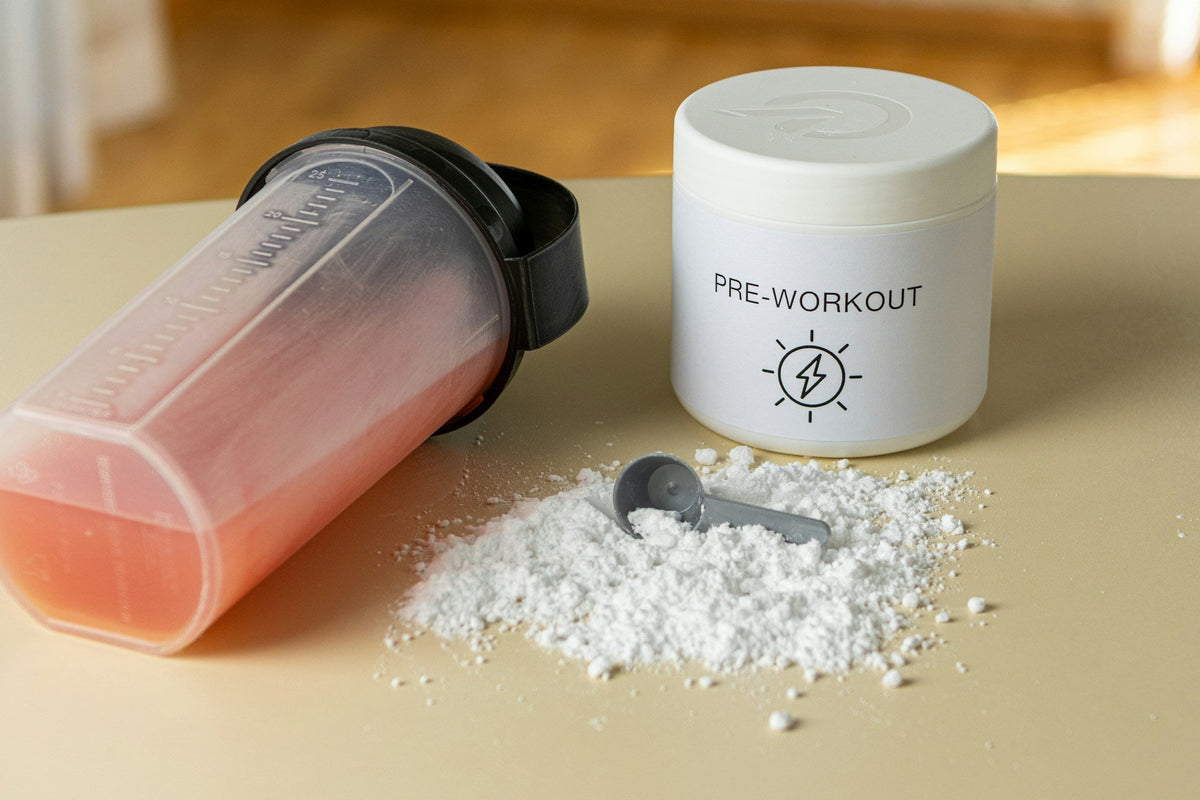
High-stimulant pre-workout products are known for giving you that surge of energy that makes it easier to push through tough gym sessions. They often include ingredients like caffeine, amino acids and other compounds to boost focus, endurance and performance. While that sounds great on paper, these heavy-duty blends can also come with a few side effects that some people don’t expect.
Not everyone reacts the same way to strong pre-workouts. What gives one person a clean energy boost might leave someone else feeling uneasy or wired. If you’ve ever felt too jittery or had trouble sleeping after your workout, the product you're using might be stronger than you need. Knowing what to look out for, and how to manage those side effects, can help you get better results without the unwanted parts. Here’s what might happen after taking a high-stimulant pre-workout and what you can do about it.
When you use a high-stim pre-workout, your body reacts to the boost in energy, focus and alertness. That spike is helpful when you’re lifting or doing cardio, but once the workout ends, some of the effects can hang around longer than you want. Here are some of the more common issues people experience after taking a strong pre.
Your heart rate naturally rises with exercise, but stimulants can take it to a higher level than usual. If you notice your heartbeat still feels intense long after training, or it starts to spike with low-effort movement, it might be a sign your dose is too high.
Tips to manage this:
- Wear a fitness tracker so you can keep an eye on your heart rate during and after training.
- Drink plenty of water to help flush your system.
- Avoid combining your pre-workout with coffee or energy drinks on the same day.
- If your heart rate feels out of control or irregular, stop using that product and speak with a healthcare provider.
One of the biggest mistakes people make with high-stim pre-workouts is taking them too late in the day. Caffeine and other stimulants can stay in your system for hours. Even if you feel calm at night, your body might be too wired to get good rest.
If you train in the evening, try these ideas:
- Switch to a lower-stim or stim-free product for afternoon and night workouts.
- Keep your workouts scheduled earlier in the day if possible.
- Include a short cooldown after your session. Walking or stretching can help reset the nervous system before sleep.
- Keep your room cool and dark at bedtime. While this doesn’t remove the stimulant, it supports better sleep regardless.
Strong pre-workouts can be hard on your gut. Some people feel bloated, others might experience cramping or nausea, especially if the product contains sugar alcohols or high levels of certain amino acids.
To reduce digestive side effects:
- Never take your pre-workout on an empty stomach. A light snack before training can make a big difference.
- Stir or shake the powder thoroughly. Poorly mixed drinks can cause uneven absorption and irritation.
- Avoid ingredients that commonly upset your stomach. This might take a little trial and error but look for patterns in how your body reacts.
Jitters are when you feel shaky or restless before or during a workout. It’s a common sign your pre-workout is stronger than what you can handle right now. This usually means your nervous system is overstimulated.
Ways to lower the chance of jitters:
- Start with half a scoop of any new pre-workout and wait 15 to 30 minutes to see how you feel.
- Avoid stacking multiple stimulant products on the same day.
- Take slow breaths and pause if you feel overwhelmed during your training.
- Give yourself some downtime after high-stress sessions. Even five minutes of walking outside can help bring things back into balance.
Strong stimulants can raise your blood pressure. While this isn’t always dangerous short term, it can become a concern if you already have blood pressure issues or are using the product daily.
To stay on top of this:
- Use a blood pressure monitor from time to time, especially if you already track other health markers.
- Limit use of high-stim pre-workouts to a few times a week rather than daily.
- Moderate your caffeine elsewhere during the day. Skip the extra coffees or energy drinks.
Listening to your body is important. If any of these side effects keep popping up after your workout, it could be time to change your routine or switch to a product that’s a better fit. Some people find they build tolerance over time, while others never fully adjust to certain formulas. Either way, comfort and long-term health are more important than a short performance boost.
Not all pre-workouts work the same for everyone. Some people feel great on high-stim blends, while others crash, get anxious, or just feel flat later. Finding the right one takes a bit of self-awareness and patience. The key is to learn how much your body can handle and to make smart choices right from the start.
Start by checking your current caffeine use. If you already drink a few cups of coffee each day, a strong pre-workout might tip things over the edge. But if you're more sensitive to caffeine or rarely have it, even a regular-strength product could hit you hard. The best approach is to choose one with detailed dosage info, then begin with a half scoop. See how your body responds before adding more. That way, you’re not stuck white-knuckling your workout or battling side effects after.
Don’t skip the ingredients panel. Look out for names you’ve had mixed reactions to before, and keep an eye on the total stimulant content, not just caffeine. It helps to avoid blends that hide how much of each ingredient you’re getting. Transparency matters when your focus is on avoiding discomfort.
Also consider what your training looks like. Are you doing long cardio sessions or short, intense strength training? Some formulas are geared towards endurance and others towards high bursts of power. Matching your product to your workout style can make a big difference in how you feel during and after your session.
If you’re still chasing that workout boost but want to skip the stronger chemicals, there are other ways to fuel your performance. These options can be easier on the body and come with fewer surprises.
Here are some simple alternatives:
- Green tea or coffee. While both still contain caffeine, they’re milder than most pre-workouts and tend to digest more slowly.
- Low-stimulant or stimulant-free pre-workouts. These often rely on ingredients like nitric oxide boosters or amino acids for performance. They offer support without overstimulating your system.
- Fruit and light carbs. A banana with some peanut butter or toast with honey can offer quick, usable energy if taken around 30 to 45 minutes before training.
- Hydration salts or electrolytes. Sometimes a lack of focus or sluggishness comes from mild dehydration. A few sips of an electrolyte mix can help sharpen your sessions.
- A good night’s sleep and a consistent routine. Nothing beats showing up well-rested. It’s easier to train hard when you’re not dragging yourself out of fatigue from the start.
Plenty of lifters and athletes still train hard without any pre-workout at all. If you're feeling off or not quite yourself after taking one, it's ok to experiment with different fuels. A product that fits your lifestyle and body is better than pushing through something that feels wrong.
Most side effects from pre-workouts are short-lived, but some go further. If you’re dealing with ongoing problems like heart palpitations, high blood pressure readings or intense anxiety, speak with a health professional. These signs shouldn't be ignored. It’s better to get clarity than guess and hope your body adjusts.
Even something that seems minor, like poor sleep or frequent nausea, can throw off your training. A sports dietitian or health practitioner can help you figure out whether certain ingredients or dosages are to blame. Personal advice makes a big difference, especially if you’re also balancing other supplements, medications or health goals.
Some people have unique sensitivities that aren’t obvious until looking at the full picture. A quick conversation might save you a lot of wasted time and discomfort. If you’re new to supplements, getting some expert guidance can point you in the right direction and help you get more out of your routine.
Before grabbing the flashiest tub on the shelf or jumping on a sale online, take a moment to do some real product research. Not all pre-workouts are made the same, and flashy packaging doesn’t always mean higher quality or better results.
What to look for when shopping:
- Clear labels with ingredient breakdowns
- Full doses listed per scoop, not proprietary blends that keep you guessing
- Honest reviews from people with similar fitness goals or concerns
- Reasonable stimulant levels. Be wary of anything that seems overloaded at a glance
It also helps to buy from sellers that offer a range of options and proper product info. Whether you want to compare formulas or ask questions before buying, the right place makes that process easier. Your experience starts before you tear the seal off.
Using a powerful pre-workout can help you unlock better performance, but it’s just part of the bigger picture. Results come from consistency, good recovery and respecting what your body tells you.
Don’t ignore the warning signs. If your body’s giving you clues that your pre-workout is too strong, listen. That doesn’t mean you need to stop lifting hard or pushing your limits. It just means making smarter choices with what you're fuelling your sessions with.
Get into the habit of reviewing your stack every few weeks. Our bodies and needs change throughout the year, especially during shifts in training seasons or goals. What worked well months ago might need some tweaks now to fit better with your current fitness routine.
Pre-workout supplements can boost energy, sharpen focus and power up your sessions, but they can also bring on side effects if not used with care. From sleep problems to heart rate spikes, the wrong blend can leave you feeling worse rather than better. Paying attention to how pre-workouts affect your body helps you avoid burnout and makes your training more enjoyable.
Whether you're new to stimulants or just thinking of switching up your usual formula, the most useful thing you can do is observe how you feel, read your product labels and take things slow. Pre-workouts are meant to support your training, not fight against it. A good balance between stimulation and comfort is what keeps you on track longer.
After exploring the effects and alternatives of energy-boosting supplements, you might feel ready to make more informed choices for your routine. If you're interested in options that help enhance performance and maintain energy throughout your workout, exploring ahigh-stimulant pre-workout that suits your needs can be a solid next step. My Supplement Store offers a variety of options designed to support focus, stamina and intensity, so you can keep your training sessions productive and safe.
Comments will be approved before showing up.