Your Cart is Empty

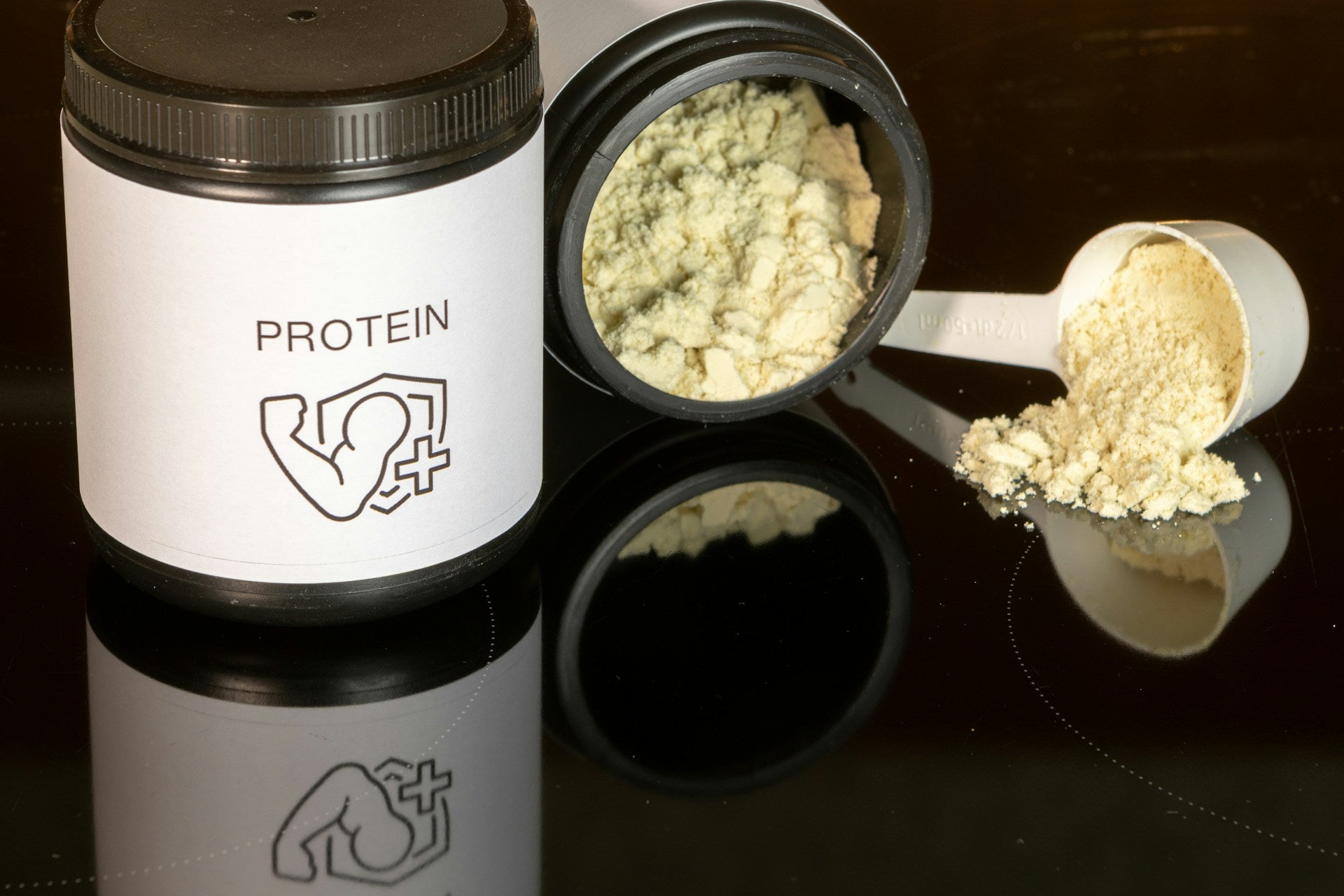
Protein powders can be a handy way to support your recovery and daily nutrition, but for those with sensitive stomachs, the wrong choice can cause more discomfort than benefits. Some people find themselves dealing with bloating, cramping or unsettled digestion after taking common protein supplements. It can be frustrating when you’re just trying to fuel your body but end up feeling worse after a shake.
That’s where looking into options like dairy-free whey protein powder becomes important. With the right product, you can avoid those harsh side effects and still get the support your routine needs. Whether you're dealing with lactose intolerance, food sensitivities or just want something easier on the gut, there are a few things that can help guide your decision and keep your nutrition on track.
It’s not unusual to feel a bit off after a shake, especially if you're not used to protein supplements. But if it happens often or feels rough on your system, there might be a sensitivity to some of the ingredients. One of the most common reasons is lactose intolerance. Many traditional whey powders include some amount of lactose, which can lead to gas, bloating or even nausea in people who don’t digest it well.
Allergies can also be a factor. Some protein powders include soy, artificial sweeteners or different additives that might rub the wrong way with your gut. Even if you’re not allergic, food sensitivities can still cause similar reactions. Things like excessive sugar alcohols, fillers or certain amino acids aren’t always easy to break down.
Protein sensitivity doesn’t just make you uncomfortable. It can also mess with how your body absorbs what you're taking in. If your digestion is struggling, your gut may not process the nutrients effectively. Instead of helping your body recover or build strength, the powder could end up doing the opposite.
Over time, this can throw off your routine, lead to skipped meals or workouts and make it harder to stay on track. That’s why it’s good to find a product that suits your stomach instead of forcing a formula that never quite feels right.
Choosing a protein powder when you’ve got gut issues doesn’t have to be a guessing game. There are a few key things to look out for that can help you narrow it down fast.
- Check the source:Go for powders made from easy-to-digest proteins like dairy-free whey, pea or rice. Some sources are gentler on the stomach but still offer plenty of support.
- Read the ingredients:Look for clean formulas without artificial sweeteners, fillers or sugar alcohols. These extras tend to upset sensitive systems.
- Look for dairy-free or lactose-free: Dairy-free whey protein powder is a popular option if you're aiming to cut out lactose but still want something complete and bioavailable.
- Low FODMAP options:Some people react to fermentable carbs found in certain ingredients. If you know you have IBS or similar symptoms, finding a low-FODMAP product can help.
- Go for tested and transparent labels:Knowing exactly what’s in each scoop gives you better control over what you’re putting in your body.
A good protein powder should leave you feeling fuelled, not bloated or queasy. If you’ve had a bad reaction to one in the past, write out what was in that formula. Use that info when comparing new powders so you can avoid repeat issues.
Not every protein powder will suit everyone, but there are a few types that are more gentle for those with sensitive guts. Each has its pros and possible downsides, depending on what you’re after.
This option is processed to remove dairy components while keeping the benefits of whey. It still offers a strong amino acid profile but without the typical lactose issues.
Made from yellow split peas, it's a plant-based choice that tends to be easy on digestion. It mixes well but has a slightly earthy taste.
Smooth on the gut and hypoallergenic. It’s great if you're avoiding common allergens but works best when blended with other proteins for full amino acid support.
Very digestible and low in fat and carbohydrates. Taste can be a bit different, and this is obviously not suitable for those avoiding animal products.
Offers extra fibre and omega-3s and is easier to digest than many processed powders. The downside is it's usually lower in total protein per serve.
Each of these comes with its own flavour, texture and nutritional profile. You might need a bit of trial and error, but focusing on simpler ingredient lists and considering how your stomach reacts is a good place to start.
If you’ve had digestion issues in the past, the way you add protein powder into your diet can make a difference. It’s not just about the type of protein you choose. It also matters how and when you use it.
Start by easing it in. Taking a full scoop on day one might feel like too much, especially if your body's not used to concentrated protein. Begin with half a serve and monitor how your stomach reacts over a few days. If everything feels fine, slowly move up to a full scoop. Patience beats a gut upset any day.
Timing can also help. Try taking your shake alongside a small meal or snack rather than on an empty stomach. Mixing the powder with food lowers the chance of digestive stress and helps the body absorb it at a steadier pace. Something as simple as blending it into your brekkie smoothie with oats or banana can set you up better than chugging it solo post-gym.
Keep an eye on how you’re mixing it too. Cold liquids and good blending make it easier to drink and digest. Some powders clump or thicken and can turn a quick shake into a chunky mess. That texture alone can mess with your stomach before digestion even starts.
Here are a few tips to make the transition smoother:
- Try taking protein in the morning first. It's a lower-risk time when your gut is fresh
- Avoid mixing with dairy or high-fat milks if you’re still testing how your body reacts
- Slowly build up the frequency if you're adding more than one serve per day
- Stick to one type of protein powder at a time to identify triggers clearly
- Write down your reactions in a food log to compare across days
If you notice any bloating, gas or changes in digestion, take a step back and give your body time to reset before trying again. Everyone's response is different, so don’t rush it.
Finding a good dairy-free whey protein powder in Australia isn’t as tricky as it used to be. Options have expanded but so has the variety of product labels and ingredients. To make the smartest pick, it's worth spending a little time comparing what’s out there.
Start by checking ingredient lists. A proper dairy-free whey powder should make it very clear that it doesn’t include lactose or milk-based additives. Look for phrases like dairy-free or lactose-free front and centre, but don’t stop there. Scan the fine print to spot fillers like gums, artificial flavours or added sugars that might bother your stomach.
A lower ingredient count can often mean a gentler product. Fewer complications for your digestion and less second-guessing what caused a flare-up. Organic or cleaner-style formulas may come with a slightly higher price, but the improved comfort could be worth it, especially for regular use.
Product reviews and nutrition panels are useful, but don't forget to consider texture and taste too. A powder that works well with water or blends properly with oats or smoothies can make all the difference when you're using it daily.
If you're shopping local, take advantage of in-store help. Stores that stock Australian-made ranges and understand the needs of sensitive digestion often have more tailored options than generic shelves. When buying online, check for clear return policies just in case something doesn’t sit right.
Switching to a protein powder that suits your digestion can change the way you recover, feel and build consistency in your routine. Feeling good after each shake helps make the process enjoyable again, rather than something to dread. It’s one of those small nutrition tweaks that often leads to better habits across the board.
Finding something that works with your body takes a bit of trial and error, but it doesn’t need to be a long, stressful process. Clear labels, straightforward blends and a slow introduction go a long way. Once you lock in a powder that suits your stomach, your focus can shift toward your training goals instead of dodging discomfort.
If you ever feel stuck or unclear about what's best for your system, getting some personalised advice can save you time and frustration. There are people who deal with these questions daily and can help match you to something better suited. When digestion improves, everything else tends to fall into place with less resistance.
For those navigating sensitivities or stomach discomfort, switching to a product that respects your digestive needs can make all the difference. If you're looking for a reliable solution that offers comfort without sacrificing nutrition, explore our range ofdairy-free whey protein powder. At My Supplement Store, we're here to help you find the right fit for your needs, so you can focus on achieving your training goals without the stress of digestive issues. Find your perfect match among our selection of nutritional supplements, specifically crafted for those seeking both performance and peace of mind.
Comments will be approved before showing up.