Your Cart is Empty

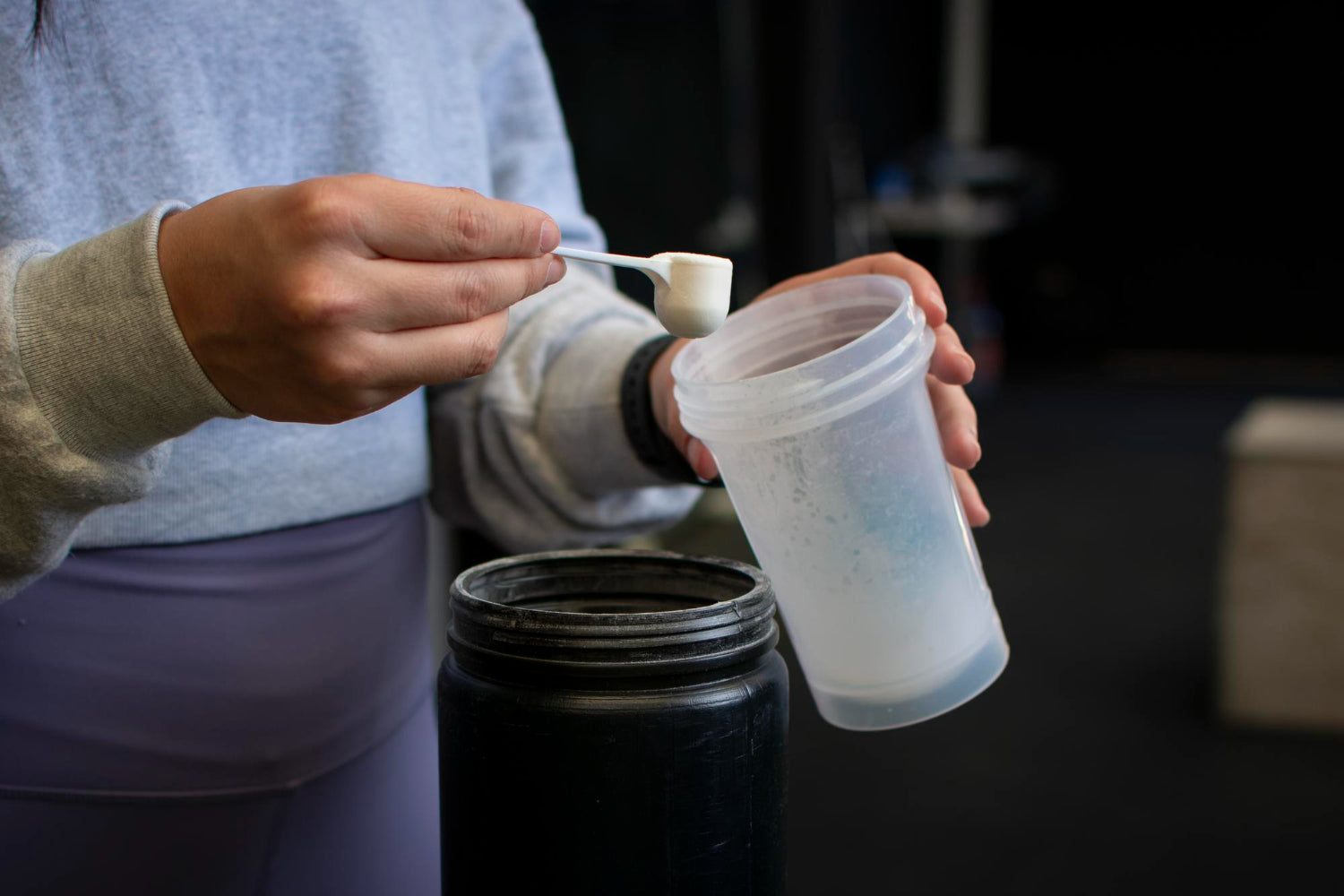
Glucose Disposal Agents, or GDAs, are one of those supplement categories people often hear about but may not fully understand. At their core, GDAs are formulated to help your body process carbohydrates more efficiently. They work behind the scenes to support blood sugar regulation, which plays an important role in how your body uses food for energy. For active people, that can mean better muscle recovery and improved energy levels once you’ve got the timing right.
Timing really does make a difference with GDAs. Taking them too early or too late in the day may reduce their overall effect. Think of them like a support act that works best when paired correctly with a meal or workout. Because these supplements interact with carbohydrates, using them at the right moment can help steer nutrients toward muscle storage instead of being stored as body fat. Learning when to take your GDA can help sharpen recovery, performance, and body composition goals all at once.
The general idea behind a GDA is that it helps your body handle glucose, the type of sugar you get from carbs. Instead of letting that sugar sit in your bloodstream or be stored in spots you’re not aiming for, a GDA encourages the body to push that energy into your muscles where it can actually be used.
This process is known as nutrient partitioning. Basically, GDAs aim to direct nutrients like glucose and amino acids to the muscles rather than into fat stores. For people who do resistance training or have carb-heavy meals post-workout, this can be pretty useful. It supports quicker recovery and less chance of excess carbs hanging around in places they shouldn’t.
Here’s how GDAs typically work:
- They help your cells become more responsive to insulin, the hormone responsible for letting glucose in
- They may slow down the pace at which carbs break down, giving your body more time to use them as fuel
- They help reduce the insulin spike you get from large or high-carb meals, which can otherwise lead to energy drops or increased fat storage
That’s why you’ll often hear them mentioned alongside meals that include a decent amount of starchy food like rice, oats, bread or pasta. A good example? Let’s say someone eats a big bowl of pasta after strength training. Adding a GDA before or with that meal might help the body shunt that glucose into muscle cells instead of turning it into stored fat.
It doesn’t mean you can eat anything and everything and expect a GDA to magically fix it. But when used the right way, it can be a tool to support better energy use and muscle recovery.
The timing around GDA supplements is where many people fall short. Taking it too far from a carb-heavy meal or, worse, with little to no carbs might reduce its effects or possibly make you feel a bit off.
The general advice is to time your GDA intake around bigger meals that include moderate to high carbs. Most people go with one of two options:
1. Take the GDA about 10 to 15 minutes before their meal
2. Take it together with the first few bites of their meal
Either approach allows the GDA to start working as the carbohydrates hit your system. For people on structured meal plans, that timing can become part of your regular supplement routine.
That said, not everyone eats the same way. Here’s how different diets impact GDA use:
- If you eat a high-carb or balanced diet: Take your GDA with your main carb meals, especially after a training session
- If you follow a low-carb diet:You don’t need a GDA unless you have a specific meal with noticeable carbs. Otherwise, it could make your blood sugar dip too low
- If you meal prep:Plan your GDA use around those meals with the highest carb loads
A few quick tips to help you make GDA timing smoother:
- Try to stay consistent with the meals you take your GDA with
- Keep it simple. If one or two meals a day are higher in carbs, focus your GDA use there
- Avoid taking it on an empty stomach or without food, especially if you don’t know how your body responds to it yet
Getting the timing right isn’t about being perfect. It’s more about pairing it with your routine and consistently taking it when it’ll do the most good.
Just like with most supplements, GDAs aren’t a one-size-fits-all kind of thing. Their effectiveness can change depending on what’s on your plate, how active you are, and how your body handles sugar. If you’ve been taking your GDA around carb-heavy meals and haven’t noticed much difference, it’s probably time to look at what else might be going on.
Meal composition plays a big role here. GDAs need carbs to do their job, but they also pair better with meals that contain fibre, protein and healthy fats. This kind of balanced plate slows digestion a bit and helps your body handle nutrients more steadily. If your meals are all over the place nutritionally, or mostly made up of quick carbs like white bread and sugar-heavy cereals, you probably won’t get the best results from your GDA.
Your personal metabolism can shape how quickly or slowly you respond too. People who are more active or have bigger energy demands may see quicker results because their muscles are more primed to use glucose. On the flip side, if you’re mostly sedentary, GDAs won’t have as many openings to push nutrients into muscle cells.
How often and how much you take matters as well. Using it sporadically or not matching the dose with your meal size can water down the effects. Some users need to adjust how much GDA they take based on the size of their carb intake. Overshooting the dose might leave you feeling light-headed, while underdosing could make it feel like nothing’s happening at all.
To improve the way your GDA works:
- Match your meal size with the right dose. More carbs usually mean a slightly higher dose
- Stick to a consistent routine with the same meals to start noticing a pattern
- Avoid very low-carb meals when taking it. Save your serving for when you’re actually having enough carbs to trigger a response
- Stay hydrated and active. Your overall lifestyle matters for how your body uses carbs
Think of GDAs as part of your meal prep strategy. If the rest of your routine is out of sync, like inconsistent meals, wild sleep schedules or skipping breakfast, then GDAs won’t have much to work with.
Once you’ve got your GDA timing and dosage nailed down, the next step is seeing if it’s actually working for you. This is where a bit of tracking can go a long way. You don’t need fancy apps or charts. Just a basic food and supplement journal, digital or on paper, can help you connect the dots.
Start by jotting down what you eat, how much carbohydrate is in each meal, when you take your GDA and how you felt afterwards. Did you feel energised? Bloated? Sleepy? These notes will help you figure out if your timing is right and which meals benefit most. For example, if you always feel a mid-afternoon slump after lunch but it improves when using a GDA correctly, that’s useful info.
Look for trends like:
- Better energy after meals
- Less bloating or sluggishness
- Improved performance in workouts
- More stable appetite between meals
Don’t forget that it might take a little while to see results, especially if you’re making other changes, like increasing training or cleaning up your diet. If you’re already active and balancing your meals well, GDAs may improve results subtly over time rather than creating a dramatic shift overnight.
Adjustments should be made gradually. If you think a higher or lower dose might work better, test it with just one meal before making a full change across all meals. And if you ever have any negative reactions, like light-headedness after eating, it’s probably worth reassessing how much you’re using or whether the meal had enough carbs to start with.
Tracking helps you stay honest and avoid guessing. It also lets you spot what’s working and drop what isn’t without going in circles.
While GDAs offer a little extra support, they don’t replace good food habits. If your meals lack whole foods or bounce between ultra-processed, quick-fix options, then even the best timing won’t help much. GDAs work best when used alongside a well-rounded eating plan that fuels your body properly.
Stick to natural carb sources like brown rice, oats, sweet potato, legumes or quinoa when you can. These work well with GDAs and support steady energy. Combine these with lean protein and healthy fats to round out your plate. When food quality is high, GDAs can shine instead of trying to make up for poor choices.
Here are a few ways to build a supportive routine around GDA use:
- Eat meals at regular times, so your body stays in rhythm
- Choose slow-digesting carbs more often than fast ones
- Combine meals with some movement where possible, like a light walk post-lunch
- Avoid skipping meals or letting gaps between meals stretch too long, which can affect blood sugar patterns
A balanced diet full of vitamins and minerals will also help your body handle glucose naturally. Think of GDAs as a tool that fits into that bigger picture, not something that carries the whole load by itself.
There’s no perfect one-size-fits-all answer to when you should take a GDA, but that’s the good news because it gives you room to experiment. The key is to stay consistent, pay attention to how you feel after meals and adjust timing and dosage step by step until it clicks with your routine.
Remember, the food you eat, your training habits and your metabolism all play a part in how well GDAs work. Pairing a good GDA with smart meal choices, moderate exercise and regular tracking will give you a solid framework to work from. Over time, you’ll figure out what timing feels right for your lifestyle and your goals.
Whether you’re new to GDAs or just trying to fine-tune how and when you use them, it all starts with understanding your own habits. From there, it’s all about small, steady improvements and being willing to make changes when something clearly isn’t working.
Experimenting with the timing and use of aglucose disposal agent can truly benefit your fitness journey by optimising how your body processes carbohydrates and supports muscle growth. To explore more ways to enhance your routine, browse the nutritional solutions at My Supplement Store and see how they can work with your lifestyle.
Comments will be approved before showing up.